
I was listening to BBC World on Sirius Radio the other day. There was an interesting segment that caught my ear. A person was giving a personal view point on “perfection” and the dangers of pursuing that ultimate goal, and why “good enough” is good enough. I found myself becoming a little annoyed with her view point.
She actually made the argument that the path towards perfection in fraught with negativities and dangers.
Amongst others, she discussed sushi Chef Jiro Ono as one example of an “unhealthy” pursuit of perfection.
This piqued my interest enough to start reading about the chef and his life. His story is one that encapsulates the meaning of pursuing perfection.
Jiro Ono’s father was an alcoholic and worked in a factory. When Jiro was 7 years old, his 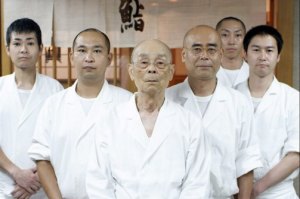 father abandoned the family. The family had no money so Jiro left home at the age of 9 and started apprenticing at a sushi shop…working the same job for 76 years. Jiro currently holds the distinction of being the world’s oldest Three Star Michelin Chef at the age of 86. He is regarded so highly, that even acclaimed chefs Anthony Bourdain, Eric Ripert, and countless others, hail him as the greatest sushi chef that has ever lived, or at least currently the best sushi chef in the world.
Sushi is special and so uniquely Japanese. It’s what I would define as a precision food. If prepared sloppily it looks unappetizing. One of the skills of being a Master Sushi Chef is to make raw meat into something that looks like a work of art, while at the same time appetizing.
There is a district in Tokyo called the Ginza district. This district is widely regarded as one 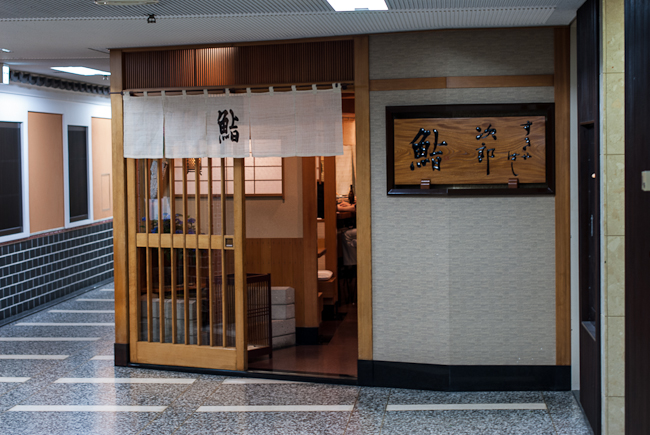 of the world’s most luxurious shopping centers. In between the luxury stores, which include, amongst others Dior, Prada, Armani, and Chanel, lays a dull office building. Tucked away in its basement, a glass door away from a subway platform is Sukiyabashi Jiro a tiny sushi bar with only 10 seats. The restaurant has no bathroom, no slick interior design. Since it is so small, this allows the staff to focus on preparing top-quality sushi and serving each client the best possible way, noticing little details like how much they eat, or if they are right-handed or left-handed.
Despite his age, Jiro, come rain or shine, takes the subway to work every morning. He still 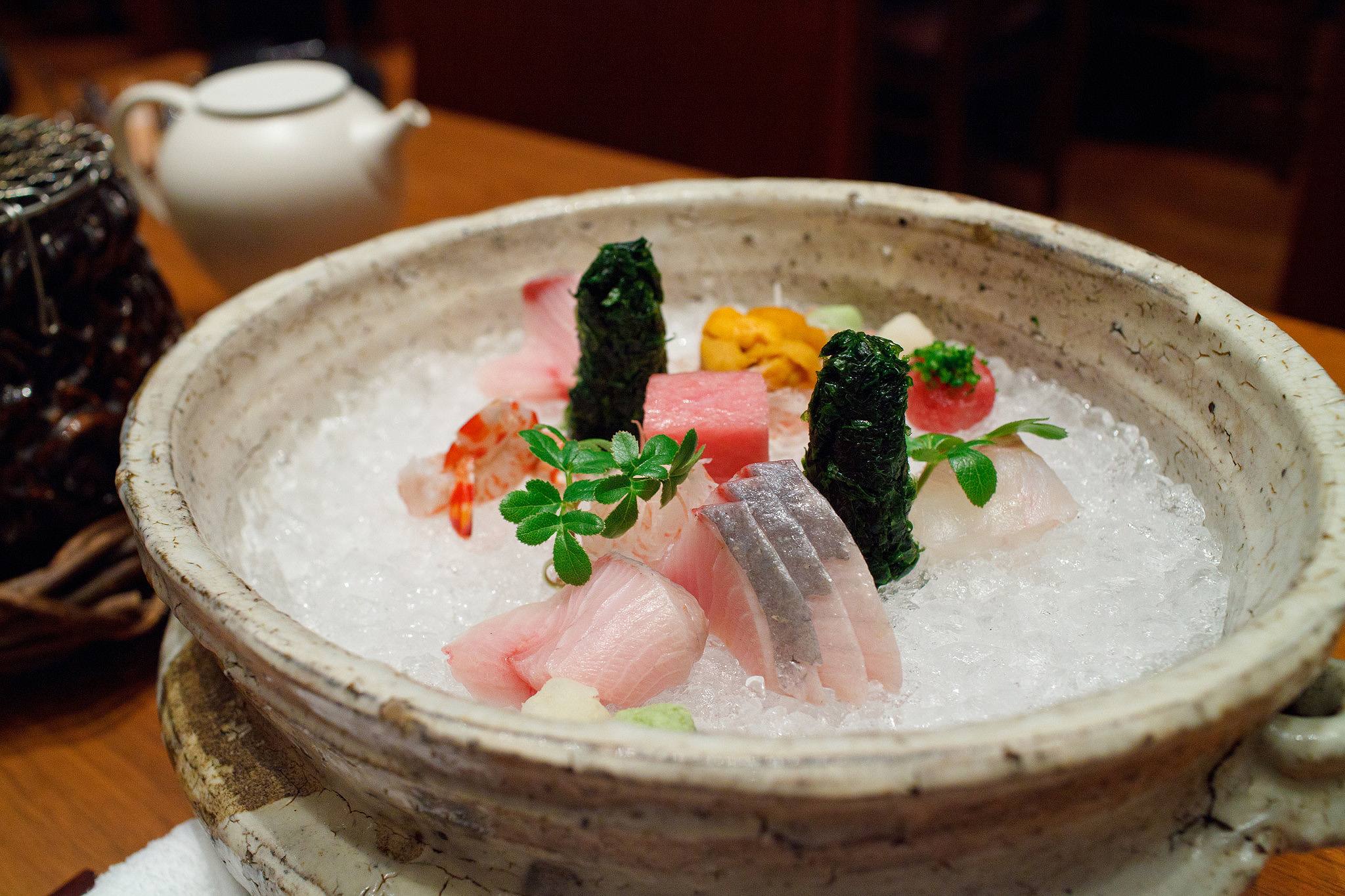 oversees most of the details of his restaurant, including reservations and menu. The chef takes no days off other than for national holidays or funerals. But in addition to purchasing the best and highest quality fish, Jiro also has a special rice dealer who sells his best grains to him, in order to optimize his sushi.
Only six people work at Sukiyabashi Jiro: Yoshikazu (chef Ono’s son); another sushi chef; three apprentices, who must train with Ono for a decade to attain the status of shokunin; a woman who handles the accounting and the cash register, and another woman who cleans the restaurant.
 Sukiyabashi Jiro is so popular you have to make a reservation up to a year in advance and pay $368 (around 30,000 yen) for a fixed menu of 20 pieces of sushi.
The attention to detail is incredible. For instance, Jiro ages his tuna for up to 10 days, and apprentices massage the octopus by hand for 50 minutes before preparing it. Chef Ono is such a perfectionist that he’ll even make his sushi different sizes for different customers, so that an entire party finishes the food at the same time.
Even though Jiro has had a hard life and follows a strict routine, he is enormously happy with his work; as he has stated many times, he is blissful and truly enjoys his work, which appears to keep him vital in his old age.
However, in order to pursue happiness Chef Ono has had to compromise his relationship with his family and two sons (which to some people may appear extreme). His relationship 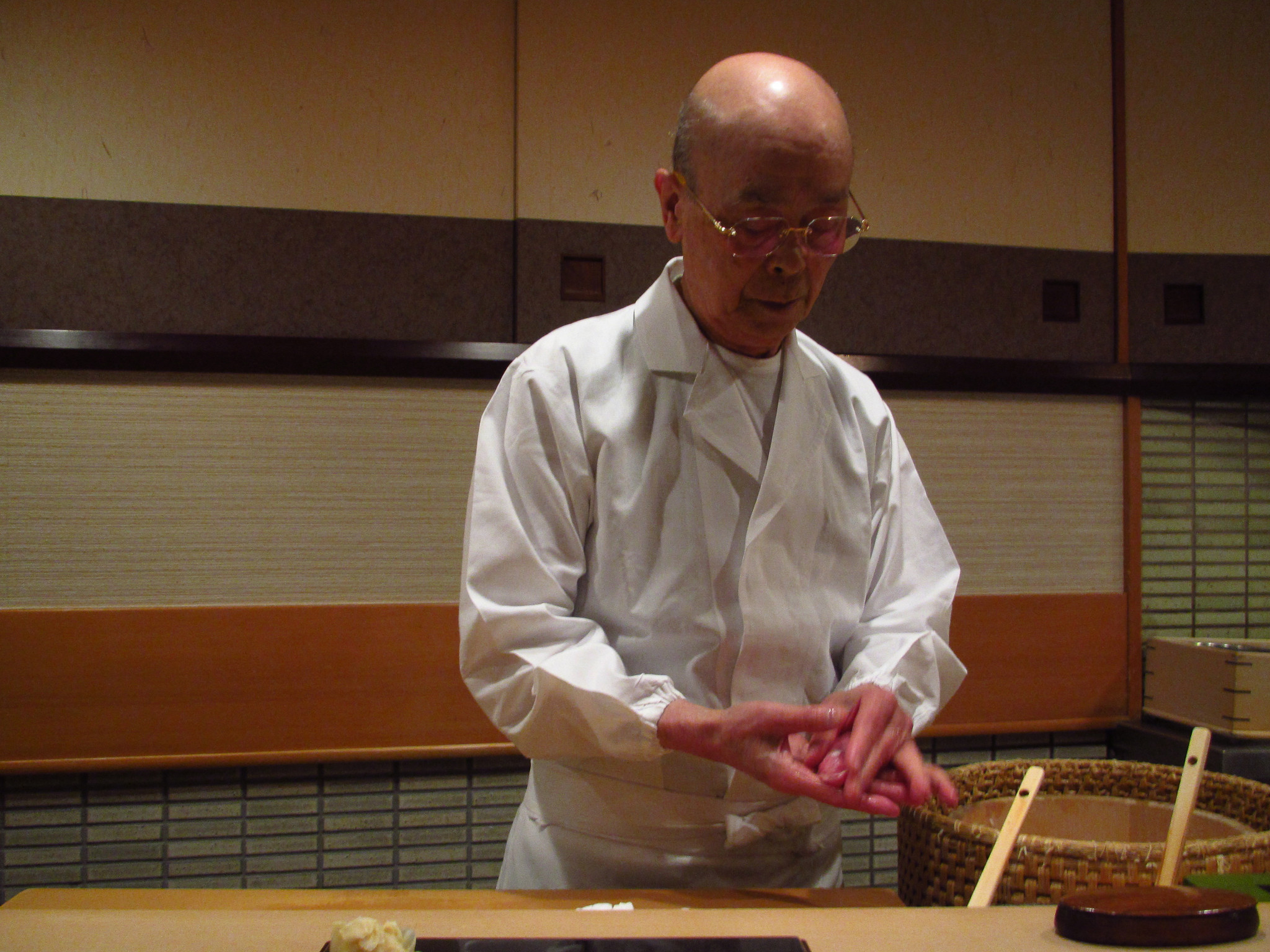 with his eldest son Yoshikazu, who is the worthy heir to Jiro’s legacy, is sometimes strained since at times it is hard for Yoshikazu to live up to his full potential in his father’s shadow.
Chef Ono increases his creativity by focusing within a narrow range, rather than going wide. By starting with the same daily routine, pursuing a narrow focus, combined with his talent and hard work, this allows him to be open to true creativity.
Beyond Chef Ono’s life and his restaurant, I am truly interested in his philosophies – which are what drives him in his pursuit of perfection, including:
- “Once you decide on your occupation, you must immerse yourself in your work. You have to fall in love with your work.” – It is interesting that he doesn’t say “find work that you love”; rather he says “love the work we have chosen.”
- “Never complain about your job. You must dedicate your life to mastering your skill. That’s the secret of success and is the key to being regarded honorably and is the key to success.”
- “Cultivate love for your work, much like we do in a serious relationship that ultimately results in marriage. Joyful work requires a lifetime of devotion.”
Jiro’s philosophy on work is very different to how most of us perceive work. In our culture we tend to categorize work in two ways, either work we dream of doing, or work we have to do for income in order to afford our lifestyles. I think many of us tell ourselves that the work we would absolutely love to do is just a dream and we must endure a career of mediocre enjoyment until we hit retirement and only at that time can we begin enjoying life.
What’s very interesting is that Chef Ono still feels he hasn’t reached perfection despite the fact he has 3 Michelin Stars*. So, the lesson I pull out of this is that perfection is never achieved but the driver to attain it, which keeps us motivated and moving forward. The resulting created drive constantly pushes us though the boundaries which we originally thought were personal limits, allowing us to realize that we have so much more potential than originally we thought we had!
Sport
 The Japanese word “kaizen” simply means “improvement”. The word refers to any improvement, one-time or continuous, large or small. The word Kaizen in English is typically applied to measures for implementing continuous improvement. It is a philosophy I like to apply, or at least try to.
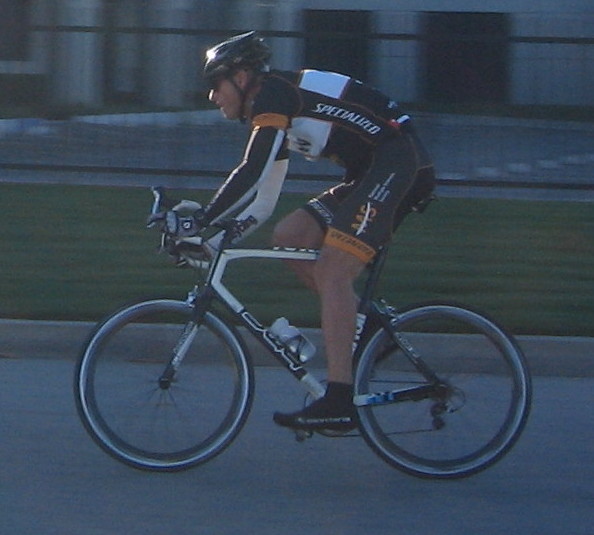
Cycling is physical and hard, taking serious commitment. To have fun with cycling whether racing, or just keeping up with the local club ride, requires a certain level of fitness, achieved by dedication, time and hard work. One needs to put in the training, effort, and absorb the necessary pain to push through to the next fitness level. The longer I participate in this sport, and apply myself the more improvements I achieve and find myself achieving things on a bike that I originally thought were not possible due to my size and weight!
 To me perfection and continuous improvement do not have to be what other people think it is, but it’s what I think it is, whatever aspect in life we are talking about whether its sports, life, relationships, or work. Doing the best I can, as an individual, giving 100% of my effort and ability, whether it’s besting a previous workout, pushing past maximums, that to my mind is one avenue of pursuing perfection…finding out what my body is capable of by pushing to optimize its capabilities.
I would never want to live in a world where “good is good enough.” I think the pursuit of perfection raises us and our spirit…for instance; it is what makes the Olympics so wonderful  and exciting, where the athletes’ lifetime of work comes to the fore, under the bright lights of the world stage. Pushing the boundaries, passing what we previously thought was impossible to surpass. Without the pursuit of perfection and achieving the best we are capable of, to my mind, the world would be boring. Pushing the outer boundaries is what pushes us forward as individuals, as well as human kind as a whole. Since perfection is never attained, it is what drives us further than we believed we could go.
Having said all this, I think there are always two sides of anything. Whatever people do, whether eating, drinking, working, pushing to be the best whatever, we can take it too far. Pushing for perfection doesn’t need to be unhealthy as long as we do not lose sight of the other things in our life, that are important such as love, family, friends, health, etc.
But, I do not like or subscribe to the notion of “It’s good enough.” Those three words really bug me! It is lazy. Granted there are situations where one has to prioritize if one is under pressure. But I want to make that the exception and not the rule. I feel that if I was to live by those three words I would be stuck in the universe of mediocrity! No thank you!
“The man with insight enough to admit his limitations comes nearest to perfection.” Johann Wolfgang von Goethe






































 Building Momentum Living Life!